





Museo de la Autonomía Universitaria Ventana 3
Museo de la Autonomía Universitaria Ventana 3
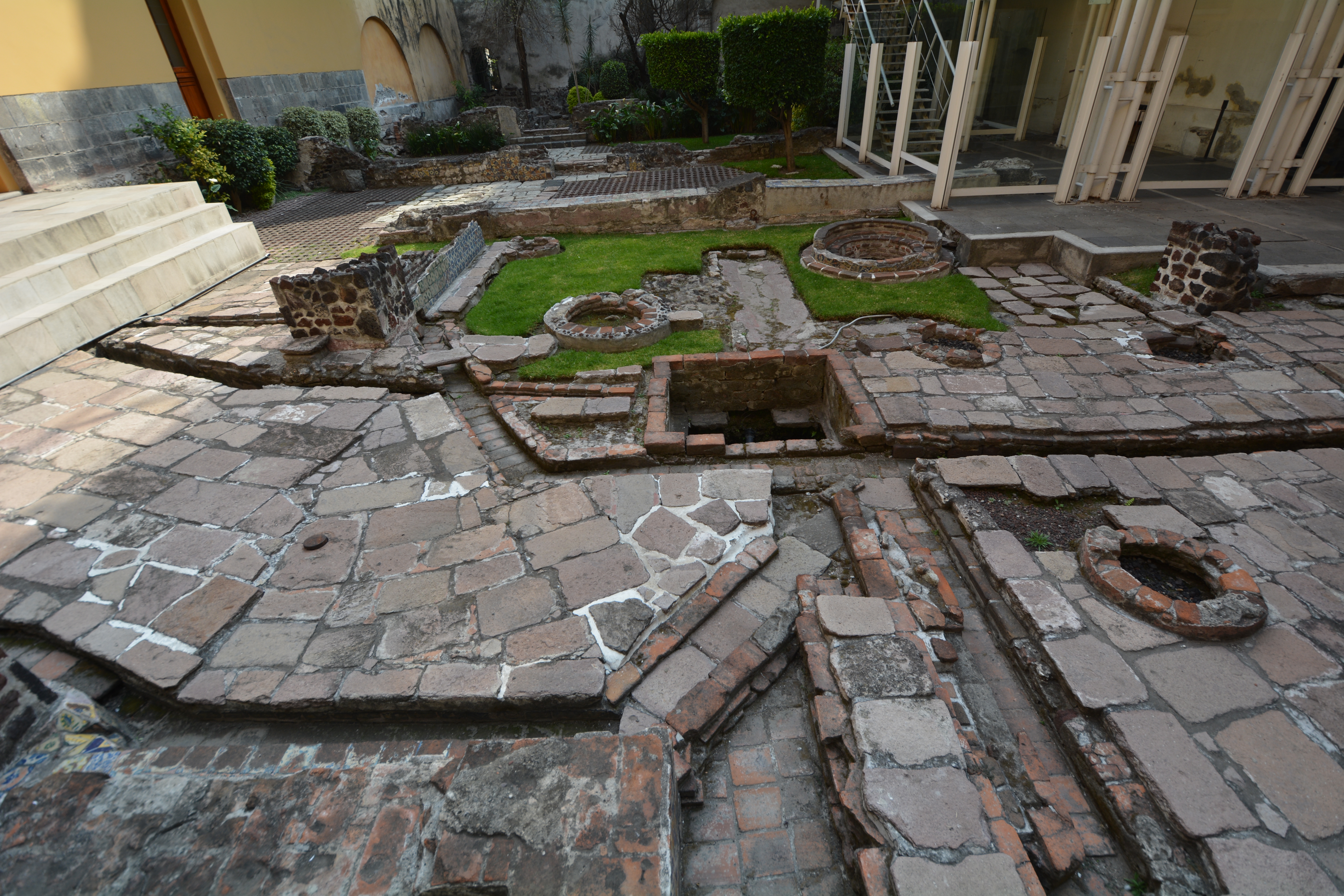
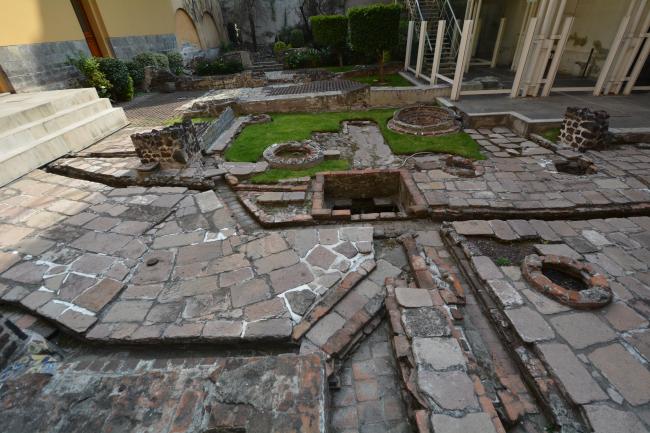
The third window, located in courtyard D of the Museum of University Autonomy, preserves remains of the former Convent of Santa Teresa La Antigua: four columns, four remodeled interior floors, and two porticos that delimit a central courtyard on its east and west sides.
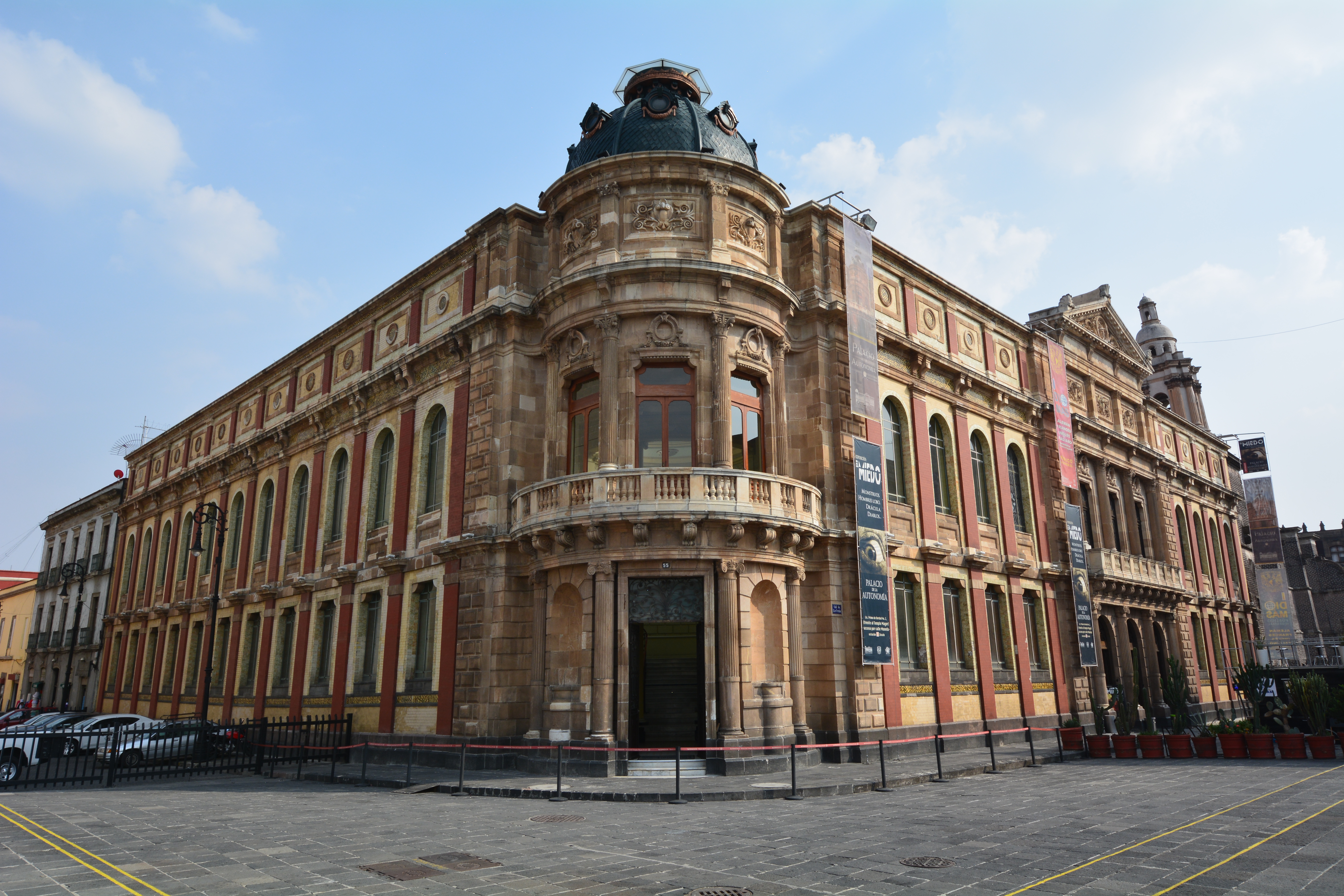
During pre-Hispanic times, part of what is now the Museum of University Autonomy was part of the sacred space of Tenochtitlan. In the early viceregal period, it belonged to Juan Luis de Rivera, first councilman of the Metropolitan Council and treasurer of the Mint of New Spain, and in 1615, it became the former convent of Santa Teresa la Antigua. After the expropriation of church property, it was purchased by the federal government to establish the Normal School for Primary School Teachers.
After several renovations, the National University was inaugurated in 1910. In 1929, university autonomy was declared on the first floor of this building. Between 1998 and 2000, it was renovated by the Urban Archaeology Program, which left three archaeological windows.
The second and third windows display archaeological remains corresponding to the former Convent of Santa Teresa la Antigua. The third archaeological window, which can also be considered an archaeological garden, corresponds to an open space that borders other remains of the former Convent of Santa Teresa la Antigua, which extend to the south.
This window shows the remains of two porticos with four columns that delimit a central courtyard on its east and west sides. To the north are steps made of red brickwork covered with tiles from the late 17th and early 18th centuries, leading to the remains of a circular pool. Several flower beds made of red brickwork are distributed throughout the central courtyard of the former convent.
Source: Raúl Barrera Rodríguez, director of the Urban Archaeology Program